Yogyakarta, universally shortened to Jogja, was founded in 1755–56 as the capital of a new sultanate after the division of the Mataram kingdom. It is still ruled, as a special region of Indonesia, by a sultan who also serves as governor, and the old walled palace city remains the heart of town.
It is a city of students, artists and craftspeople as well as courtiers: batik, silver from Kotagede, shadow puppets and gamelan are all living trades here. For visitors to Jomblang it is the unavoidable and very agreeable base, with hotels in every category, a good food scene and the transport links for the rest of Java.
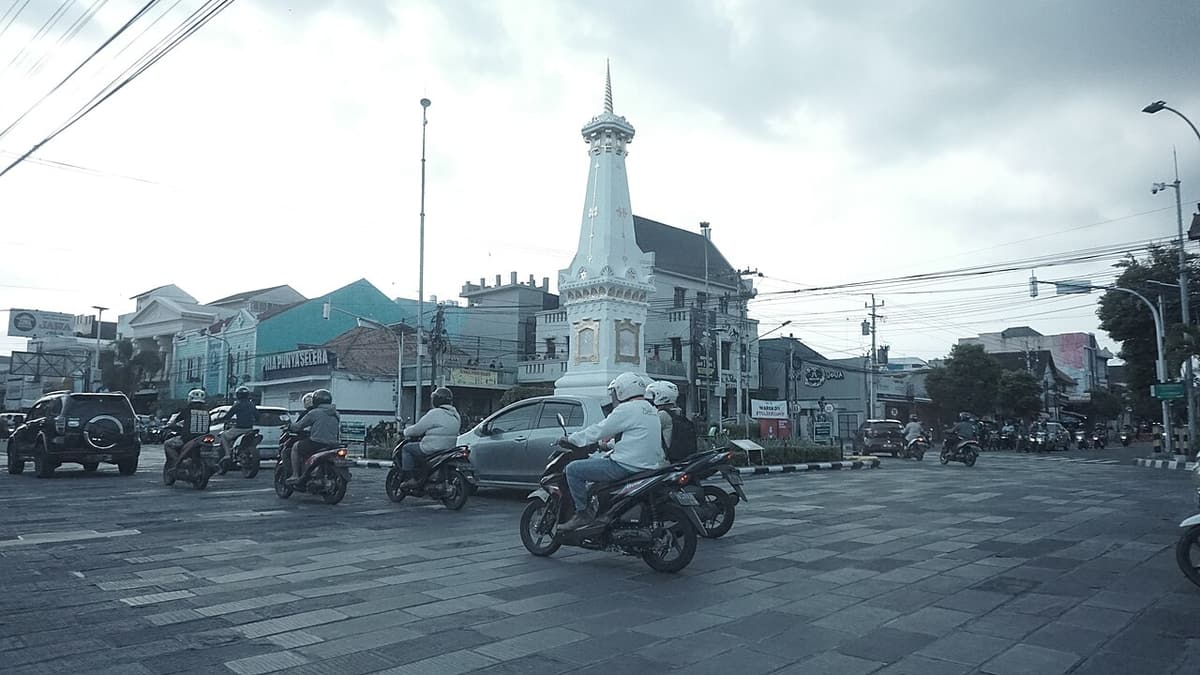
In 2023 UNESCO inscribed the city’s historic north–south layout — the line from Tugu monument through Malioboro and the Kraton to Panggung Krapyak — as the “Cosmological Axis of Yogyakarta”.
What to see and do: Yogyakarta City
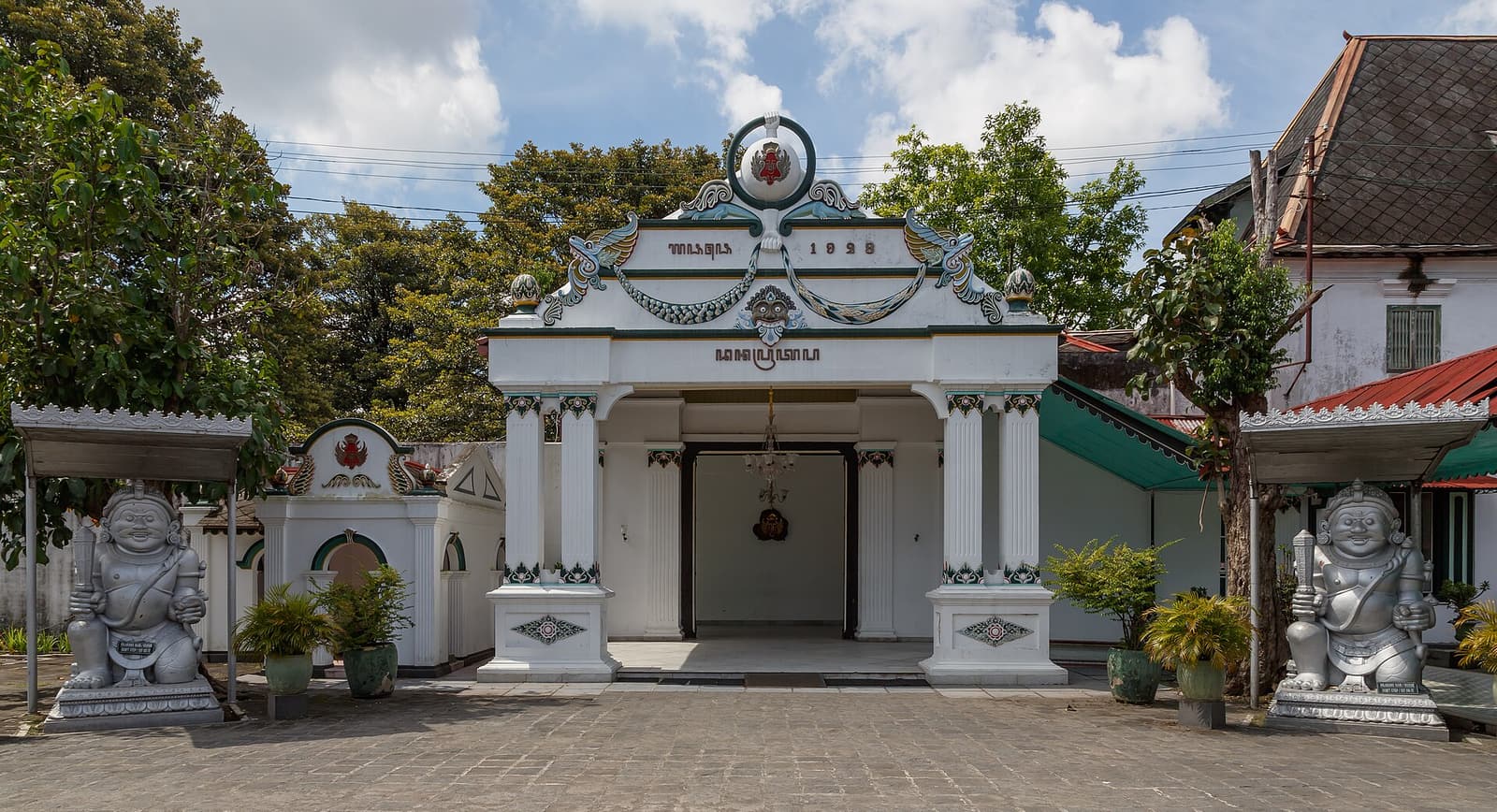
The Kraton
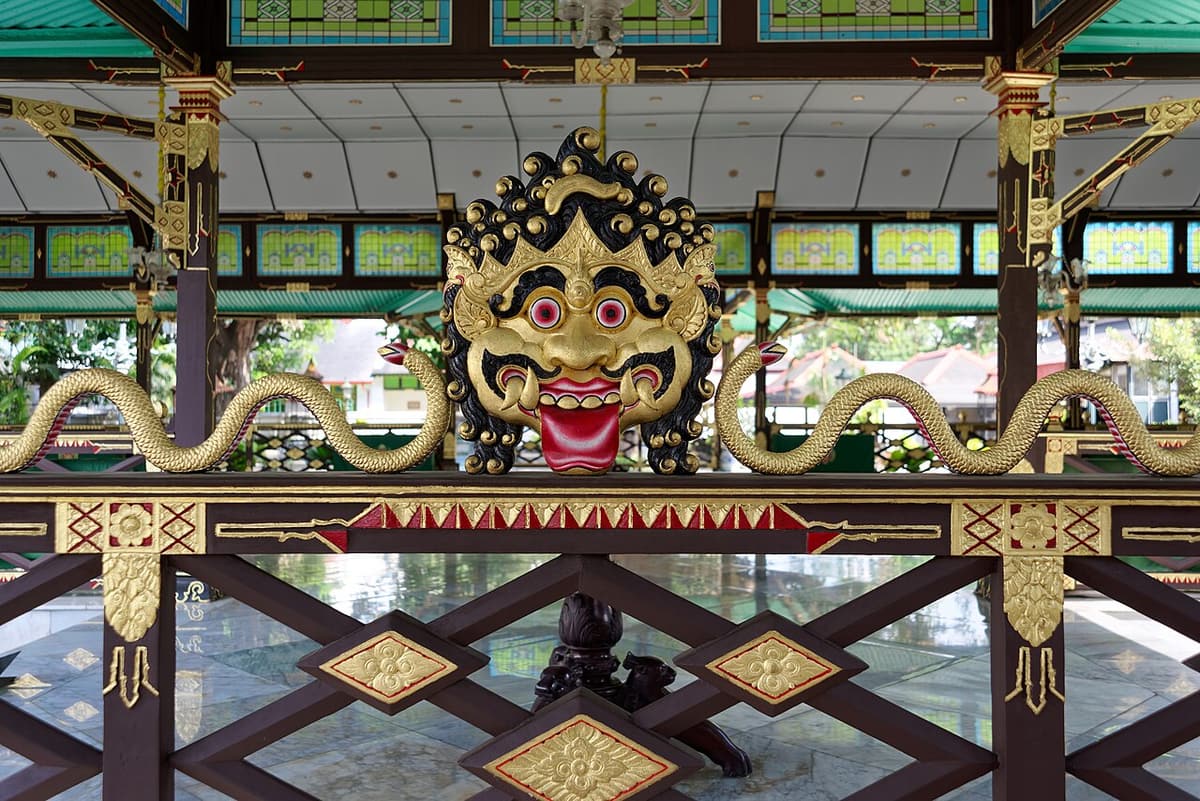
The sultan’s palace is a sequence of airy pavilions and courtyards, with museum rooms of royal heirlooms and, on some mornings, gamelan, dance or puppet performances. It is generally open in the morning to early afternoon only.
Taman Sari
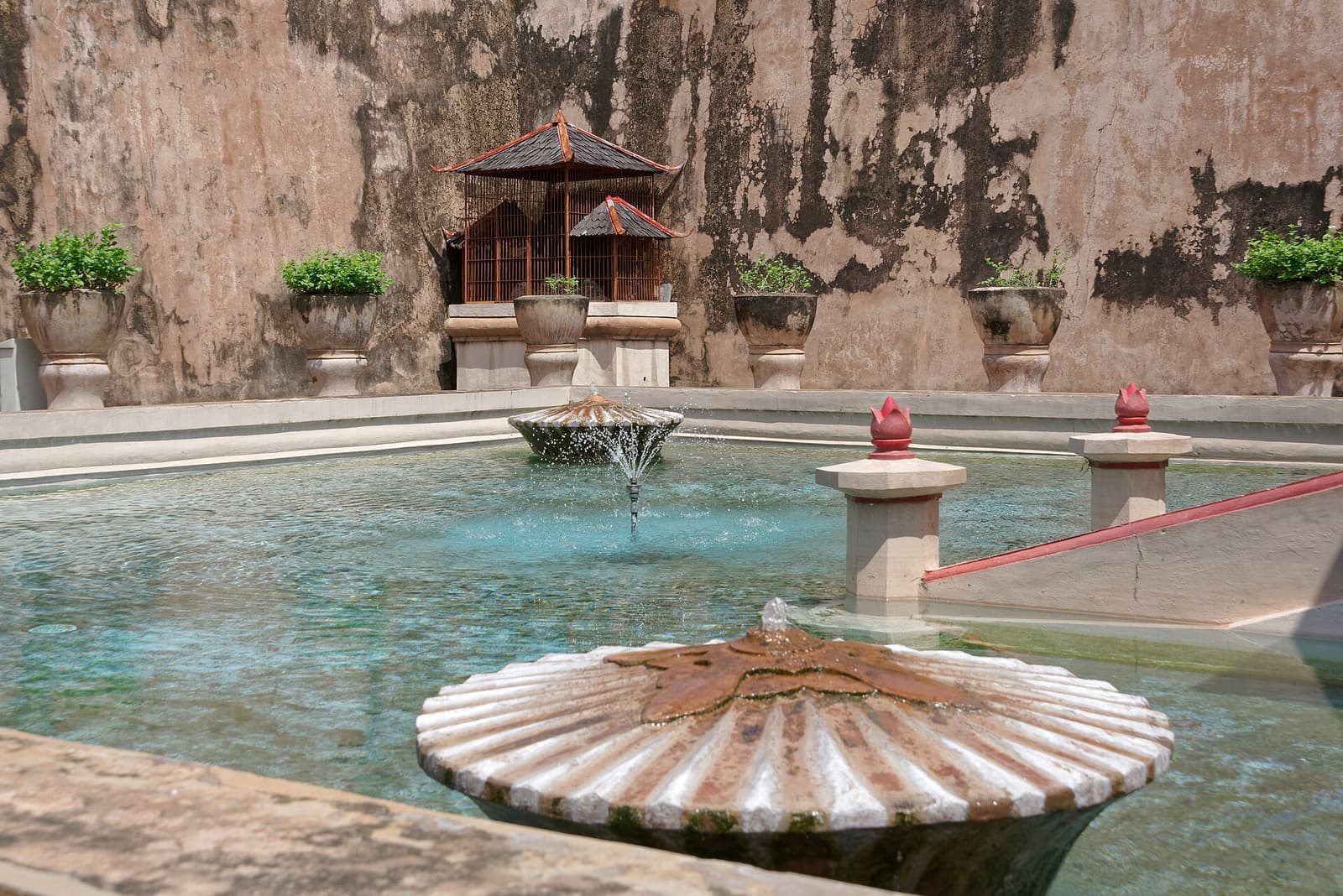
The 18th-century “water castle” — bathing pools, a tower from which the sultan is said to have watched, tunnels and the circular underground mosque of Sumur Gumuling — is a ten-minute walk from the palace.
Malioboro
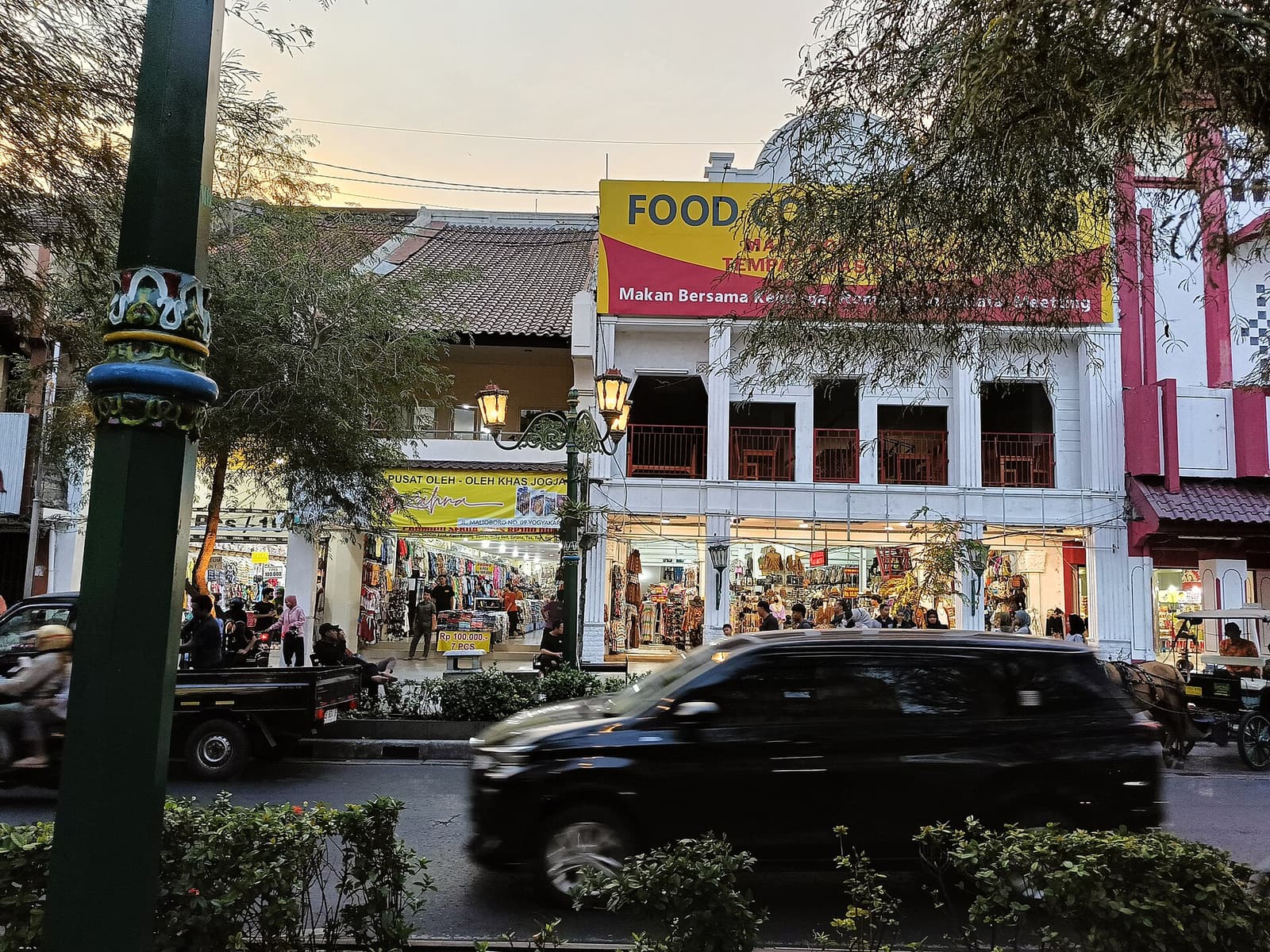
The city’s main street, now largely pedestrian-friendly in the evenings, for batik, souvenirs, street musicians and late-night food stalls. Beringharjo market at its southern end is best in the morning.
Eat gudeg
Jogja’s signature dish is young jackfruit stewed for hours with palm sugar and coconut milk, served with rice, egg and spicy buffalo-skin krecek. Wijilan street is lined with gudeg restaurants.
Prawirotaman and Kotagede
The first is the travellers’ quarter of cafés, guesthouses and tour desks; the second is the old silversmiths’ town with the royal Mataram cemetery.
How to get to Yogyakarta City
- By air: Yogyakarta International Airport (YIA) is in Kulon Progo, about 45 km west of the city. An airport train links it to Tugu station in roughly 40 minutes; buses and taxis take 1–1.5 hours.
- By train: Tugu station, at the top of Malioboro, has services from Jakarta, Bandung, Surabaya and Solo.
- To Jomblang: see getting from Yogyakarta to Jomblang Cave.
Insider tips
- The Kraton and Taman Sari close by mid-afternoon and have had a weekly closing day; go in the morning and check opening days.
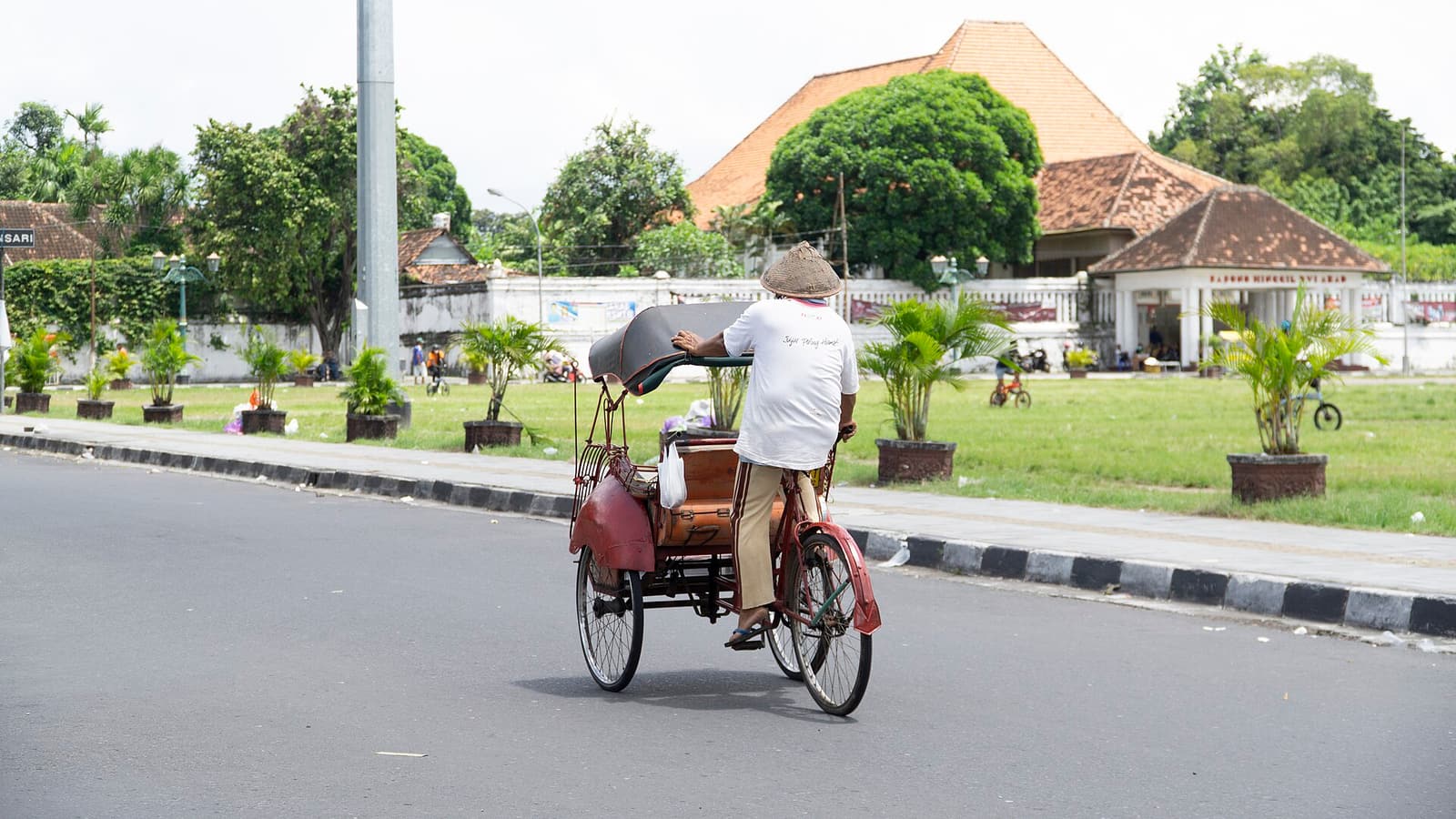
- Ride-hailing apps work well in the city and are the simplest way to get around; becak drivers expect you to bargain.
- Be wary of friendly strangers steering you to a “batik exhibition closing today”. It is a long-running sales trick.
- Stay on the south or east side of town if an early start for Gunungkidul matters to you — see where to stay.
Best tours & tickets for Yogyakarta City
These top-rated experiences are the easiest way to visit Yogyakarta City from Yogyakarta:
Walking tour from $16 Yogyakarta: Sultan’s Palace and Water Castle Guided Tour
A compact introduction to royal Yogyakarta on foot: the sultan’s palace, the 18th-century water castle and the lanes between them, with a guide who can explain the city’s north–south “cosmological axis”. Fits neatly into the morning after your cave day.
- The Kraton, still the home of the sultan
- Taman Sari’s pools, tunnels and underground mosque
- Small group with a local guide
 Private transport from $40 per group
 Yogyakarta: Private Car Hire with Driver for 10 Hours
The flexible option: a car and driver for ten hours, to go where you like. It is the simplest way to reach Jomblang independently and add Nglanggeran, a beach or Sri Gethuk on the way back. You pay entrance fees yourself, including the Jomblang fee at the cave.
- Your own car and English-speaking driver
- Build your own Gunungkidul route
- Priced per car, not per person
 Evening show from $19
 Yogyakarta: Ramayana Ballet at Prambanan
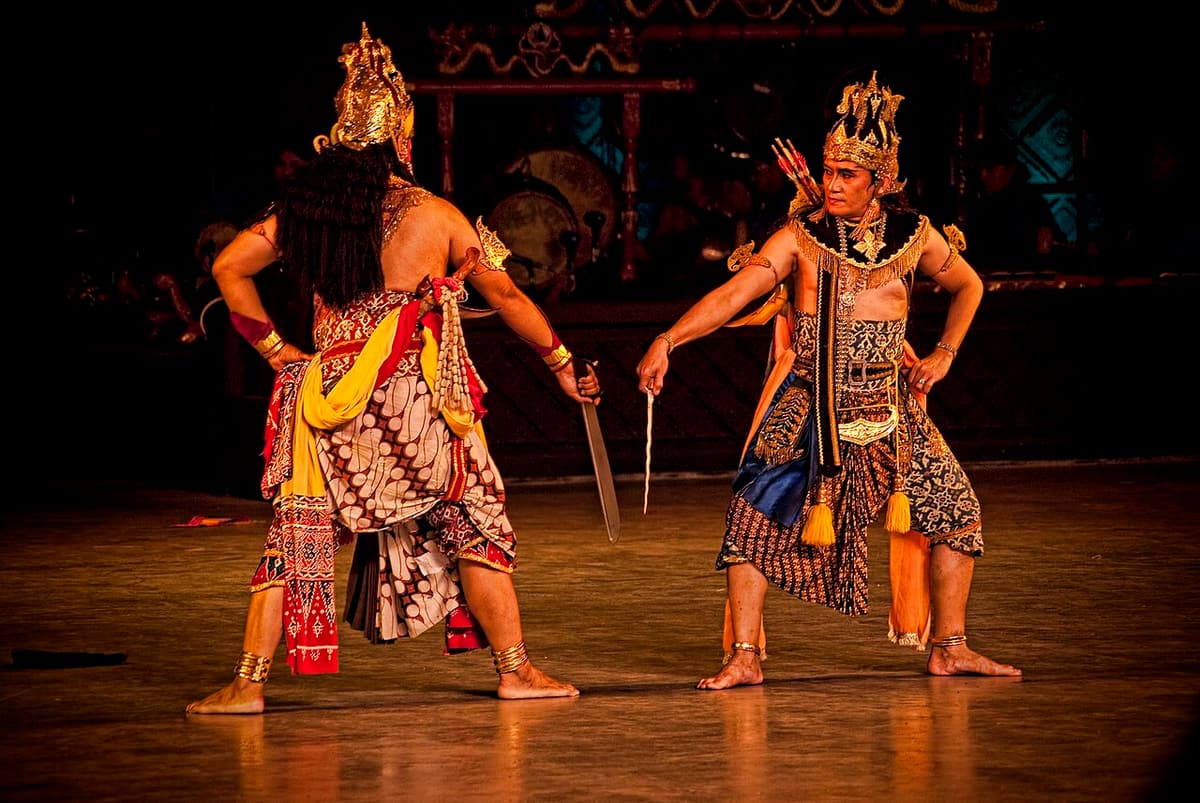
The Ramayana told in Javanese dance, on a stage beside Prambanan. In the dry months the show is usually held outdoors with the temple towers lit behind the dancers; at other times it moves to an indoor theatre. An easy evening after a morning in the cave.
- Javanese dance-drama with a live gamelan orchestra
- Open-air stage with the temple floodlit behind it in the dry season
- Optional afternoon temple visit and hotel pickup